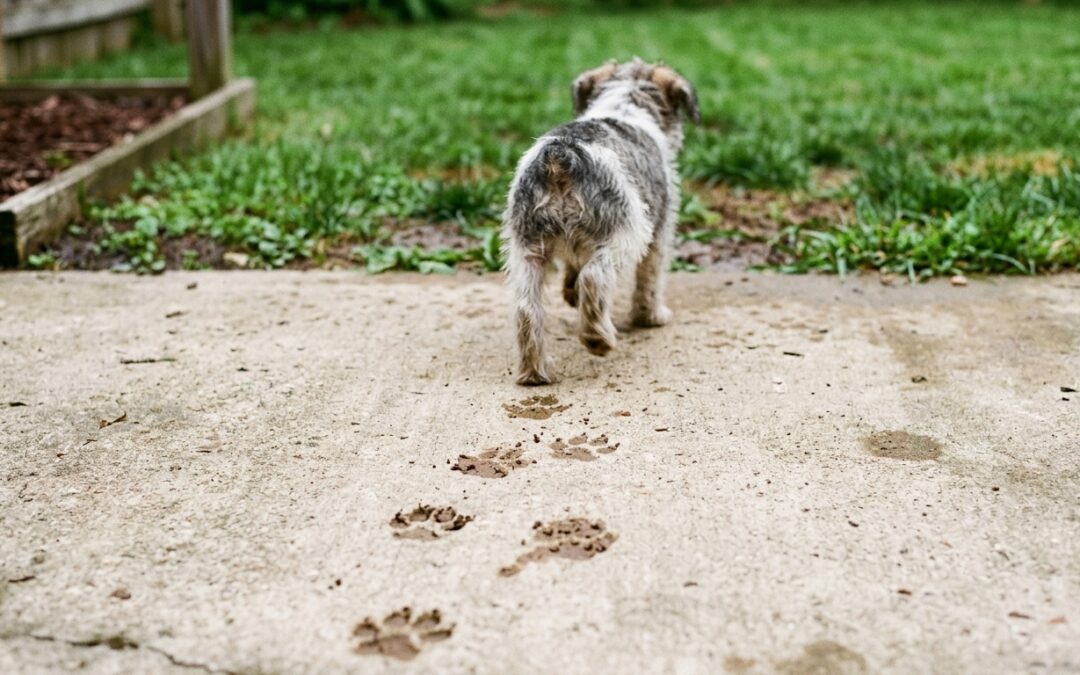
Bringing home a new puppy is one of the best feelings in the world: the puppy breath, the clumsy zoomies, the way they fall asleep mid-play without any warning. But along with all that joy comes a responsibility that catches a lot of new owners off guard: your yard suddenly matters a lot more than it used to.
For an adult dog, a few days between cleanups is unpleasant but not usually dangerous. For a puppy, especially one who isn’t fully vaccinated yet, your backyard is either one of the safest places for them to explore, or a source of real risk, depending on how well it’s maintained. Here’s what new puppy owners need to know, and why the timing of these early months matters so much.
Why Your Yard Matters So Much Right Now
Puppies typically get their vaccine series in stages, usually around 6 to 8 weeks, 10 to 12 weeks, and 14 to 16 weeks, with a booster around a year. Until that series is complete, your puppy’s immune system simply isn’t ready to fight off everything they might encounter outside, which is exactly why vets are so cautious about dog parks, sidewalks, and other public spaces during this window.
The good news is that your own backyard is generally considered a controlled, relatively safe environment for early outdoor time, as long as it hasn’t been visited by unknown or sick animals recently. That “as long as” is doing a lot of work in that sentence, and it’s exactly where yard cleanliness comes in. A yard that’s been thoroughly and consistently maintained is a genuinely safe place for a young puppy to explore. One that hasn’t is a much bigger question mark than most new owners realize.
The Risk Most New Owners Don’t Know About: Parvo
The virus most vets worry about during this window is canine parvovirus (parvo), a highly contagious and potentially fatal disease that specifically targets unvaccinated and partially vaccinated puppies. Parvo spreads through contact with infected feces, and here’s the part that surprises most new owners: it’s remarkably hardy. Parvo can survive in soil and on surfaces for months, and by some estimates, up to a year, which means old, unremoved waste in your yard, even from a previous pet or a wandering neighborhood dog, can pose a real risk to a new puppy long after it was left there.
Wildlife carries it too. Foxes, coyotes, and other canids can shed the virus, so even yards that border green space, wooded areas, or drainage canals, common throughout Central Florida neighborhoods, deserve extra attention during a puppy’s early months.
Watch for symptoms like lethargy, loss of appetite, vomiting, severe diarrhea, or bloody stool, and call your vet immediately if you notice any of them. Parvo can be fatal within 48 to 72 hours of symptoms appearing, so fast action matters enormously. This isn’t meant to scare new owners; most puppies who complete their vaccine series and spend time in a well-maintained yard never encounter a problem, but understanding the stakes is exactly why yard hygiene deserves real attention during this window rather than being an afterthought.
It’s Not Just Parvo
While parvo gets most of the attention, a puppy’s developing immune system is also more vulnerable to the same parasites and bacteria that pose a risk to people, including roundworm, hookworm, giardia, and more. Puppies are especially prone to picking these up because they explore with their mouths, chewing on grass, sniffing everything, and generally putting their face closer to the ground than an adult dog typically does. A yard with old, accumulated waste is a much higher-risk environment for a curious puppy than it would be for a more cautious adult dog.
What This Means for Your Yard Routine
The takeaway isn’t to panic; it’s to treat yard cleanliness as part of your puppy’s health routine, not just a chore. A few habits make a real difference:
- Remove waste promptly, from your own puppy and any other pets who use the yard. The longer it sits, the more it can contaminate the soil your puppy is playing, sniffing, and rolling around in.
- Be cautious about who else’s dogs use your yard during this window, especially dogs of unknown vaccine status.
- Don’t assume “it looks clean” means it’s safe. Parvo and other pathogens aren’t visible, and soil can carry them long after any waste is gone if the yard wasn’t kept up consistently before your puppy arrived.
- Follow your vet’s vaccination schedule closely, and ask them specifically about your local area’s parvo risk, since some regions and seasons carry higher exposure than others.
- Keep up monthly parasite prevention as your vet recommends, since contaminated soil can also carry roundworm, hookworm, and other parasites beyond parvo.
- If you just moved into a new home, or you’re unsure of the yard’s recent history, treat the first thorough cleanup as a priority before letting your puppy loose to explore.
Your Puppy’s Vaccine Timeline at a Glance
Knowing roughly where your puppy stands in their vaccine series helps you judge how cautious to be with yard access and outside exposure. Every vet’s schedule varies slightly, so use this as a general guide rather than a substitute for your vet’s specific plan:
| Age | Typical Vaccines | What It Means for Yard Time |
|---|---|---|
| 6–8 weeks | First round: distemper, parvo combination | Private, clean yard time is generally fine; still avoid public spaces |
| 10–12 weeks | Second round: distemper/parvo booster; leptospirosis and canine influenza often start here | Immunity is building, but yard hygiene still matters most |
| 14–16 weeks | Final puppy round: distemper/parvo booster, rabies (per local law) | Protection is much stronger; some vets clear public exposure around now |
| ~12 months | Booster round | Full protection established; standard adult precautions apply going forward |
Your vet will confirm exactly when your puppy is considered fully protected, since it depends on their individual response to the vaccine series, not just their age.
Preparing Your Yard Before Your Puppy Arrives
A clean, secure yard is only part of the picture. Before your puppy ever sets paw outside, it’s worth walking your yard the way a curious, low-to-the-ground explorer will experience it.
Check your fence line first. A secure fence isn’t just about keeping your puppy in; it’s about keeping unknown animals out. Look specifically for gaps at ground level, since that’s where most puppies find a way through, and where neighborhood wildlife or wandering dogs can find a way in. Build to adult-dog fence height from the start, since a fence sized for a small puppy won’t hold once they grow. The American Kennel Club’s puppy-proofing guide covers additional yard hazards worth checking for beyond fencing alone.
Designate a bathroom area. Setting aside a specific section of the yard for potty breaks makes cleanup faster and more consistent, and it helps your puppy learn the routine more quickly too.
Clear standing water. Empty any containers, dishes, or low spots where water collects after rain, which is a near-daily occurrence in much of Central Florida during the wet season. Standing water isn’t just a mosquito breeding ground; it’s also a common source of the next risk worth knowing about.
Don’t Overlook Leptospirosis
Parvo gets most of the attention, but leptospirosis deserves a mention of its own, especially in Florida. This bacterial disease spreads through the urine of infected wildlife, raccoons, opossums, rodents, and other backyard visitors, and it thrives in warm, moist soil and standing water, exactly the conditions our climate produces for much of the year. Dogs typically pick it up by drinking from, swimming in, or walking through contaminated puddles or damp soil.
Leptospirosis can cause serious kidney and liver damage, and unlike parvo, it’s also zoonotic, meaning it can spread from an infected dog to the people in the household, usually through contact with urine. Early signs include fever, vomiting, lethargy, and muscle pain, symptoms that are easy to mistake for something more minor. Ask your vet whether the leptospirosis vaccine makes sense for your puppy and your specific yard, since risk varies by neighborhood, especially near retention ponds, canals, or wooded areas common throughout the Orlando area.
Balancing Safety With Socialization
It’s worth saying clearly: keeping your puppy indoors and away from your own yard entirely isn’t the right answer either. Puppies have a short, important window for socialization, and supervised time in a clean backyard is one of the safest ways to let them explore, sniff, and start learning about the world while their vaccines finish taking effect. Vets generally recommend against complete isolation, since it can create behavioral and anxiety issues later that are harder to undo than the manageable risk of supervised yard time.
The goal isn’t to eliminate outdoor time; it’s to make sure the specific space they’re exploring is as clean and low-risk as you can reasonably make it. A private, well-maintained backyard gives you the best of both worlds: real-world exploration during a critical developmental window, with meaningfully lower risk than a public park or sidewalk.
Multi-Pet Households Need Extra Attention
If you’re bringing a puppy into a home with an existing dog, your yard cleanup routine matters even more. An adult dog’s waste can carry parasites or bacteria that pose a bigger risk to a puppy’s developing immune system than they would to another adult dog. This is a good time to tighten up your cleanup schedule for the whole household, not just plan around the new arrival. Many families find that the arrival of a new puppy is exactly the moment their old, occasional cleanup habits stop being good enough, and it’s worth treating that shift seriously rather than trying to keep up with the same routine that worked before.
Take One Thing Off Your Plate
Bringing home a new puppy already means a mountain of new responsibilities, vet visits, training, puppy-proofing, middle-of-the-night bathroom breaks. Yard cleanup doesn’t have to be one more thing competing for your time and attention, especially during a season when consistency matters as much as it does right now.
At Poop Bandit, we help new puppy families across Orlando and Central Florida keep their yards consistently clean, so you can focus on the fun parts of puppyhood instead of worrying about what’s hiding in the grass. Our technicians remove waste thoroughly on a schedule that fits your household, and we serve communities throughout the area, including Winter Garden, Windermere, Apopka, Clermont, and more.
If you’re weighing whether to handle it yourself or bring in help during this especially busy season, our breakdown of DIY vs. professional dog waste removal walks through the real time and cost trade-offs.
Get a Free Quote Today or call us at (407) 604-1008.
Frequently Asked Questions
When can my puppy safely go outside in my own yard?
Most vets consider a private, clean backyard a reasonably safe environment for supervised outdoor time even before your puppy completes their full vaccine series, as long as no sick or unknown dogs have used the yard recently.
How long does parvo survive in a yard?
Parvo is unusually hardy and can survive in soil and on surfaces for months, and in some cases up to a year, which is why yard cleanliness matters even if it’s been a while since another dog used the space.
Is it safe to let my puppy play in a yard where another dog has been?
It depends on that dog’s vaccination and health status. If you’re unsure, it’s safest to thoroughly clean the area and limit your puppy’s exposure until you know more.
What are the signs of parvo I should watch for?
Lethargy, loss of appetite, vomiting, severe diarrhea, and bloody stool are common signs. Parvo can be fatal quickly, so contact your vet immediately if you notice any of these symptoms.
Should I keep my puppy inside until they’re fully vaccinated?
No, most vets recommend supervised time in a clean, private yard during this window, since complete isolation can create socialization and behavioral challenges later. The key is making sure that specific space is well maintained.
Do I need to worry about other parasites besides parvo?
Yes. Puppies are also more susceptible to roundworm, hookworm, and Giardia, since they tend to explore with their mouths more than adult dogs do. Regular yard cleanup and your vet’s parasite prevention plan both help reduce this risk.
Is leptospirosis a real concern in a Florida backyard?
Yes. Leptospirosis spreads through wildlife urine and thrives in warm, moist soil and standing water, conditions that are common in Central Florida yards. It can also spread to people, so clearing standing water and asking your vet about the leptospirosis vaccine are both worth doing.